


Easy Chinese Phrases to Navigate Your Next Shopping Spree
- nathaniel740
- Oct 28, 2024
- 4 min read
Shopping in China can be a thrilling experience, but the language barrier is often intimidating for many travelers. Fear not, with just a few simple Chinese phrases, you can confidently browse and negotiate your way through bustling markets and stylish boutiques.
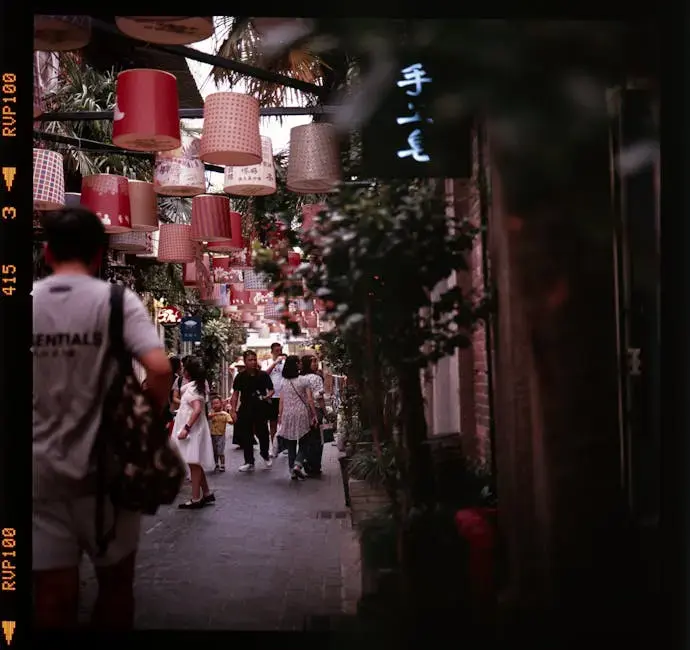
Greeting and Small Talk
Begin your shopping spree on a friendly note by engaging in small talk. Simple greetings like 'Nǐ hǎo' (Hello) and 'Xièxiè' (Thank you) can create a warm connection with shopkeepers. It's amazing how a simple greeting can open doors to a more enjoyable shopping experience and even pave the way for better bargains. In bustling markets of China, every smile and polite expression acts as a bridge to connect diverse cultures, creating memorable interactions. Learn more about integrating yourself into local customs in our guide to Mastering Chinese for Travelers.
Making small talk with dozens of shopkeepers along China's vibrant streets isn't just about exchanging pleasantries; it's about embracing authenticity at each marketplace. Whether it's commenting on the weather, or complimenting the shop's display, remember that these interactions can not only net you the best deals but most importantly, they narrative tales that reside beyond transaction. The phrase 'Nǐ tiān qì hǎo, shì ma?' (The weather's nice, isn't it?) is your perfect verbal passport to mingling in Chinese social landscapes. Want to up your Chinese language game further? Continue mastering your travel communication here.
Asking for Prices
Curious about the cost? Use 'Zhège duōshǎo qián?' to ask 'How much is this?' and start practicing your negotiation skills from there. This simple query will be your most valuable tool as you wander through China's charming shops and bustling bazaars. No matter the temptation of exquisite new finds, always make your first move by inquiring about the cost, setting the tone for commerce of nuance. Dig deeper into various shopping phrases with this extensive list of essential shopping terms, and prepare to negotiate like a pro.
Once you have received the asking price, the essence of bargain resides in the subsequent conversational dance. Developing a knack for knowing when and how to engage in bargaining can elicit this exciting aspect of shopping in Chinese context at local markets. Another way to phrase it to garner a sense of camaraderie with the seller is 'Zhè shì zuì dī jià ma?' (Is this the lowest price?). Engaging genuinely over costs helps foster a more welcoming environment.
Bargaining Basics
In many markets, bargaining is not just welcomed, but expected. Phrases like 'Tài guì le!' (Too expensive!) and 'Néng piányí yīdiǎn ma?' (Can it be cheaper?) will be invaluable. These aren't just words, they're your tools for negotiation in bustling marketplaces where ingenuity meets commerce. The thrill lies in serenely expressing these phrases, setting the stage for a participatory engagement of costs and values, ultimately leading to mutual satisfaction.
An art mastered with experience, bargaining in China involves reading the room and estimating the seller's flexibility. Start your practice with smaller items, and then ramp-up to more costly fascinations. A good rule of thumb is to begin by offering 30-40% less than the quoted price, then navigate the delicate negotiation path. When words alone cannot bridge the gap, don that winning smile, and prepare to stay firm or walk away momentarily to test the vendor's resolve.
Complimenting and Showing Interest
A little appreciation goes a long way. Compliment items with 'Zhè ge hěn piàoliang' (This is very beautiful) to show genuine interest and politeness. Compliments serve as a universal currency of warmth even in markets where fierce competitors vie for your attention. Building rapport with vendors by showing interest in their wares can lead to unexpected bonuses, like additional discounts or fascinating stories of cultural heritage.
Compliments often unfasten cultural exchanges that enhance understanding, delight, and negotiation on altogether unprecedented grounds. Whether it's a hand-crafted silk accessory or an intricate wooden carving, thoughtfully admiring specialties shows respect for artisanship. Equally, voicing a curiosity about an item's origin or creator may result in unique recommendations or encouragement to special-backroom stock, reserved for welcoming pals.
Making Purchases
Ready to buy? Use 'Wǒ yào mǎi zhège' which translates to 'I want to buy this'. Don't forget to confirm the final price! These words are the culmination of your browsing adventure—a green light to transition from appreciating to owning. Learning to place a conversational full stop beneath a purchase interaction guarantees both parties savor the fruition of the exchange, neatly tying the commerce loop.
The phrase 'Wǒ yào mǎi zhège' is said best when accompaniment to a smile that signals certainty and satisfaction. Before pulling out your wallet, however, confirming whether the price includes VAT or delivery can spare some misunderstanding. Live by the motto 'Double-check, never presume' to avoid assuming any extras in your new acquisition’s cost.
Handling Payments
Conclude your transaction smoothly with 'Nǐ shōu xìnyòngkǎ ma?' (Do you accept credit cards?) or 'Zhè shì xiànjīn' (Here is the cash). Understanding payment preferences provides assurances that catapult barriers of verbal miscalculation. Cash is commonly accepted, but credit cards enhance ease-of-use in urban retail environments and international chains. Knowing your preferred method helps generate fluid transactions on both ends.
Payment isn't merely a financial exchange in Chinese markets, it's an informed choice that compliments fluent buying experience. If credit is agreeable, always carry an emergency reserve of cash in smaller denominations for attractions and smaller stalls outside formal banking systems. Aligning a loose sequence of all required tender approaches suppresses moments of awkwardness and keeps purchasing decisively enjoyable. Why not explore the beauty and depth of China further with more travel insights?
Happy Shopping!
Armed with these easy Chinese phrases, you'll feel more at ease on your shopping adventures. Whether you're on the hunt for a unique souvenir, bargaining at a local market, or simply exploring the beauty of Chinese craftsmanship, knowing how to communicate effectively makes the experience all the more enriching.


Comments