


10 Essential Chinese Phrases for Travelers Exploring Local Markets
Traveling through the vibrant local markets in China can be a thrilling experience. The hustle and bustle, colorful stalls, and diverse array of products offer a feast for the senses. However, without knowing a few key phrases in Chinese, this adventure can feel a bit daunting. Here are ten essential phrases to help you navigate your way through these lively market scenes and make your journey more enjoyable.
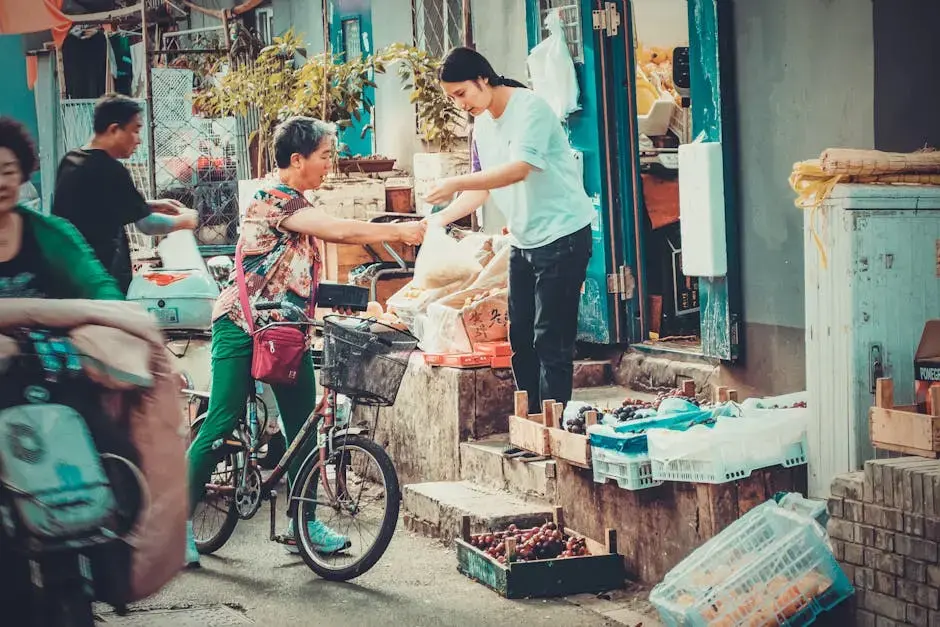
1. Greetings to Make a Positive Start
A warm greeting can set the tone for a friendly interaction. Learn how to greet vendors with a simple 'Nǐ hǎo' (Hello) to break the ice and show your willingness to engage. If you're entering a bustling alley filled with sounds and sights, a warm smile paired with your greeting can make all the difference. Vendors are more likely to help you when you initiate contact, acknowledging their presence with courtesy. In Chinese culture, respect and greetings go a long way, helping you form genuine connections even as a traveler.
Beyond a simple hello, introducing yourself with 'Wǒ jiào [Your Name]' (I am called [Your Name]) shows both interest and respect. Taking a moment to introduce yourself transforms a transactional encounter into a mutual exchange, making your market visit more memorable. By including your name in the conversation, you signal that you view them as more than just service providers—but part of your travel experience. This approach can sometimes lead to great conversations about what you’re both passionate about—whether it’s food, art, or culture.
2. Asking for Prices Like a Pro
Understanding prices is crucial. Use the phrase 'Zhège duōshǎo qián?' (How much is this?) to inquire about the cost of items with ease and confidence. Before diving into negotiations, this essential question lays the groundwork for fair shopping practices. Market vendors appreciate those who approach purchases with sincerity, helping to foster positive interactions.
Moreover, staying composed when asking for prices helps in evaluating whether an offer is viable. If you feel the price is steep, acknowledging the vendor’s efforts by including 'Tài guì le, kěyǐ piányí yīdiǎn ma?' (It's too expensive, can it be cheaper?) as part of your conversation can often lead to a smile and possibly a reduced cost. Such haggling is not only expected but respected in many markets, making it a quintessential part of shopping in China.
3. Bargaining Basics Everyone Should Know
Bargaining is part of the charm of Chinese markets. Try saying 'Tài guì le, kěyǐ piányí yīdiǎn ma?' (It's too expensive, can it be cheaper?) to negotiate better prices. The process of bargaining involves both patience and persistence—twinned with politeness. By using friendly body language, such as shrugging and smiling, you can convey your intentions clearly.
A meaningful strategy is to do a bit of research on staple prices in popular market locations. This ensures that when you say 'Tài guì le' (it's too expensive), you know what to expect and aim for. Over time, this becomes a delightful way to hone your skills and familiarize yourself with cultural nuances during your market visits.
When it feels like negotiations are heading towards an impasse, it’s okay to pause and consider. Remember, walking away is also a powerful tactic in bargaining. Often, vendors will call you back with a better price, understanding your value as a potential customer. At its heart, bargaining is about striking a balance, offering both parties a fair exchange in a refreshingly conversational manner.
4. Expressing Thankfulness and Gratitude
Expressing gratitude is always appreciated. Remember to say 'Xièxiè' (Thank you) after a transaction to show your appreciation for the vendor's service. This simple phrase transcends language barriers, offering a heartfelt closure to your interaction. In bustling markets where exchanges are quick, expressing gratitude solidifies a positive connection with local vendors who work tirelessly amid crowds.
Another compelling way to express appreciation is by understanding the significance of 'Xièxiè' in cultural contexts. Gratitude holds a special place in Chinese values—a short yet profound phrase that bonds people despite differences. Repeat the word with a gentle nod or smile, creating an impression that resonates long after you’ve exited the market.
5. Inquiring About Product Details
Getting more details can enhance your shopping experience. Ask 'Zhè shì shénme?' (What is this?) to learn more about intriguing items. Curiosity is an effective tool in navigating the myriad of choices in markets, opening doors to discovery. By inquiring, you can uncover rich histories and uses that items might hold, giving depth and meaning to each purchase.
When dealing with food items or local artisanal products, probing about 'Zài zhèlǐ zhìzuò de ma?' (Is it made locally here?) can offer fascinating insights into local craftsmanship and culinary expertise. It is an opportunity not only to inform your purchase but to also truly appreciate the effort poured into creating these goods. Markets in China brim with stories waiting to be shared; all you need is to ask the right question.
6. Confirming If a Product is Available
To ensure you find what you’re looking for, ask 'Nǐmen yǒu...ma?' (Do you have...?) to check the availability of specific products. This phrase is practical when facing an overwhelming array of stalls, helping you find items efficiently. Clear communication speeds up the purchasing process by honing in on what specifically you require.
For those seeking rare finds or a particular item you learned about beforehand, utilize this phrasing to delve deeper. Naming the item while inquiring often sparks detailed recommendations from the vendors, revealing options you might not have considered. Thus, by asking 'Nǐmen yǒu lǜtáng chéngshòu ma?' (Do you have green tea confections?) you set the foundation for a broader exploration of what's offered.
7. Clarifying the Quantity Desired
When purchasing multiple items, clarity is key. Use 'Wǒ xiǎng mǎi...gè' (I want to buy... pieces) to indicate how many you wish to buy. Accurate quantity detailing ensures alignment between expectation and delivery, which is paramount in vibrant market settings. With countless transactions occurring nearly simultaneously, precision in communication saves both you and the vendor valuable time.
This phrase finds particular utility when shopping for bulk items or gifts. Make sure to understand the local weight and measurement standards too. Engaging in brief check-ins with vendors using additional clarifiers like 'liǎng' (two), 'wǔ' (five), or 'shí' (ten) could help verify your order. Such interactions contribute towards efficient and error-free market interactions.
8. Checking for Alternatives and Options
Sometimes alternatives are needed. Ask 'Yǒu méiyǒu qítā xuǎnzé?' (Are there other options?) when looking for different styles or colors. This question broadens your experience, allowing for exploration into varieties beyond the initial offering. Vendors appreciate those willing to see beyond the immediate selection, often keen to offer hidden gems or seasonal best-sellers.
Exploring alternative options opens doors to discovering something that might better suit your need or taste. By articulating your openness, you invite an extended dialogue about craftsmanship and the intention behind different adaptations of a product. This inclusive curiosity reveals much about local market trends, drawing you into a deeper appreciation of what each stall uniquely offers.
9. Requesting Assistance Politely
Sometimes, a little help is needed. Saying 'Kěyǐ bāng wǒ ma?' (Can you help me?) can make interactions smoother and more pleasant. Asking for help is an essential aspect of navigating Chinese markets, underlining community values and cooperation. With this phrase, you invite collaborative problem-solving and warm hospitality into your shopping journey.
In situations where you or a fellow traveler feel confused or lost, requesting assistance politely often elicits genuine kindness from locals. Markets are replete with people eager to offer aid to those in need. Whether figuring out directional signs or deciphering a complex market map, these exchanges can transform a rushed trip into insightful moments of cultural connection.
10. Politely Turning Down Offers
It’s okay to refuse a purchase politely. A simple 'Bù yào, xièxiè' (No, thank you) works wonders to maintain politeness even when declining an offer. Mastering how to refuse politely gives you the confidence to navigate markets comfortably, ensuring every interaction maintains grace and respect.
While engaging with multiple vendors, it’s inevitable that you will encounter offers you simply do not wish to entertain. Expressing refusal with 'Bù kěyǐ, duìbùqǐ' (I cannot, sorry) introduces soft declining techniques that preserve amiable relationships. These ensure that you'll always be a welcome visitor back into the heart of local markets, fostering warmth through every visit.


Comments