


Why Should You Incorporate Chinese Culture Lessons into Daily Learning?
Integrating cultural lessons into education offers a comprehensive learning experience that extends beyond traditional academics. Incorporating Chinese culture lessons into daily education can enrich understanding, enhance language skills, and foster global awareness. Let's explore the reasons and benefits this approach holds for learners of all ages.
Understanding the Importance of Cultural Education
Cultural education plays a pivotal role in developing empathy, respect, and appreciation for diversity. By learning about Chinese culture, students are introduced to one of the most ancient and richly woven societies, characterized by unique philosophies, customs, and art forms. Incorporating Chinese culture lessons imparts values and perspectives distinct from those in Western contexts, offering an opportunity for students to appreciate history and traditions that have shaped human civilization.
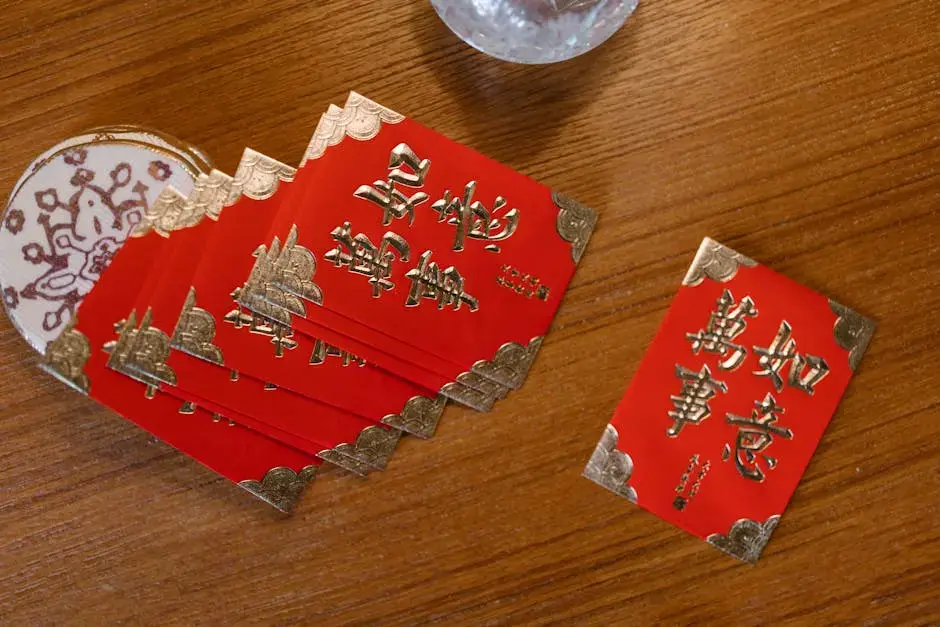
Students engaged in Chinese cultural lessons gain a greater awareness of global issues and cultural nuances. This understanding promotes inclusivity and empathy in diverse environments, be it in classrooms or communities. Observing traditions such as the Chinese New Year or Lantern Festival can provide insights into cultural significance and values, instilling a deeper respect and appreciation for traditions. Moreover, it fosters a sense of global citizenship and consciousness in students.
Enhancing Language Learning through Culture
Integrating cultural lessons with language education enriches the learning experience, making it more relevant and engaging. By studying Chinese culture, learners not only acquire language skills but also understand the context behind idioms, expressions, and customs. For instance, learning the deeper meaning behind sayings like 'kung hei fat choy' goes beyond words, to grasping the cultural blessing of prosperity and happiness during celebrations.
Cultural immersion enhances language retention by connecting language rules to real-life scenarios. Understanding the cultural context in which language is used allows for a more profound comprehension as it aligns with historical events and everyday practices. This contextual learning fosters better language proficiency and fluency, as learners not only memorize vocabulary but also internalize language as a medium of authentic communication.
Boosting Critical Thinking and Creativity
Exploring diverse cultural perspectives, such as those found in Chinese philosophies and traditions, encourages students to think critically and creatively. For example, the study of Confucian and Taoist thought presents new frameworks for solving problems and making ethical decisions. By challenging students to view problems from unconventional, diverse angles, they are encouraged to draw connections and synthesize information in innovative ways, bolstering their analytical skills.
Fostering Global Awareness and Competence
In a globalized world, cultural competence is crucial. Learning about Chinese culture prepares students for international interactions, fostering improved communication and collaboration across cultures. By engaging with Chinese cultural content, learners slowly dismantle stereotypical views and preconceived notions, enabling meaningful exchanges and relationships worldwide.
Providing Life-Long Learning Benefits
Cultural education extends well beyond the classroom walls, offering lifelong benefits. Through understanding Chinese culture, individuals find new avenues for personal growth and lifelong learning, enriched by the heritage and wisdom of an ancient civilization. Engaging with Chinese arts, literature, and practices continuously invites learners to explore and appreciate diverse forms of knowledge and expressions, thereby enriching their personal and professional lives.
Beyond personal enrichment, Chinese cultural lessons provide a competitive edge in career prospects. In many international industries, an understanding of Chinese culture and language can enhance communication and negotiation skills. By building cultural competence, professionals engage with diverse markets effectively, expanding career opportunities and fostering successful global partnerships.
Embracing Cultural Learning for a Brighter Future
Incorporating Chinese culture lessons into daily learning not only broadens understanding of a rich and ancient culture but also equips learners with valuable skills and insights that are increasingly relevant in today's interconnected world. By recognizing and embracing diverse cultures, we prepare ourselves for a future that is both culturally rich and globally aware.


Comments